

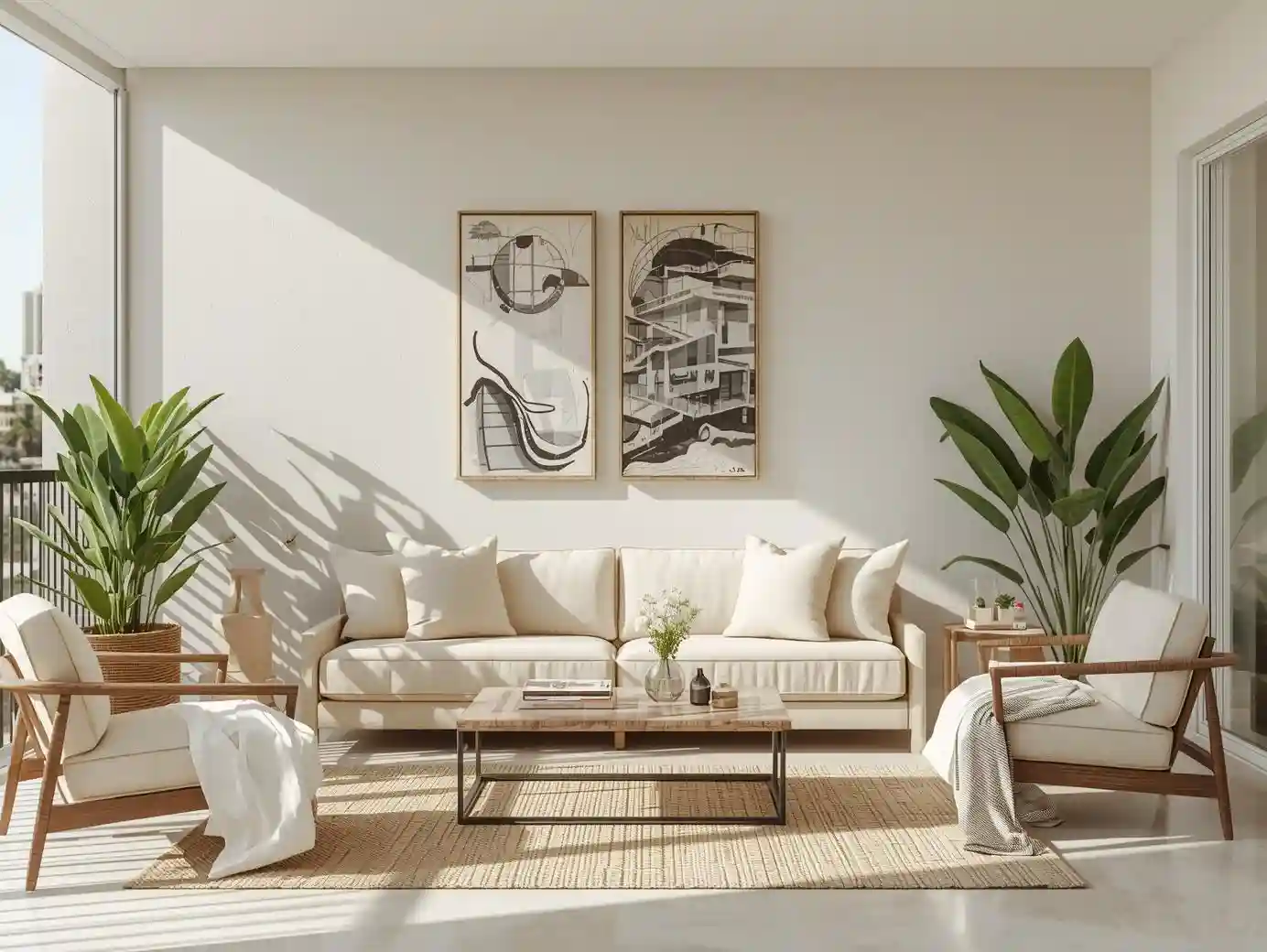
Furniture Maintenance Tips for Hot Weather in Dubai
Here is a Quick Answer:
- Dubai’s heat (up to 48°C) warps wood, cracks leather, and fades fabrics faster than almost anywhere else.
- The biggest threats are direct sunlight (UV), humidity fluctuations, and dry air-conditioned interiors.
- Season your wooden furniture twice a year, use UV-protective films on windows, and condition leather every 8–10 weeks.
- Outdoor furniture needs weatherproof covers and rust-inhibiting treatment before and after summer.
- Investing in custom furniture Dubai built for the local climate pays off far more than generic imported pieces.
In this guide, you will learn exactly how to protect wood, leather, fabric, metal, and outdoor furniture through the summer months with specific product types, schedules, and professional-grade techniques. You will also understand why certain approaches that work in temperate climates fail completely in the Gulf.
Why Dubai’s Climate Is Uniquely Hard on Furniture?
Most furniture care content is written for European or North American climates. Dubai is fundamentally different, and treating it the same way is the single biggest mistake homeowners make here.
The real enemy is not just heat alone, it is the thermal cycling between your air-conditioned interior (often set to 20-22°C) and the scorching outdoor air. Every time a piece of furniture near a window or an exterior wall expands and contracts across that 25°C+ range, the structural stress accumulates. Over one summer, that means hundreds of micro-expansion cycles.
Based on patterns observed across furniture workshops and repair specialists in the UAE, the most common damage reported after summer includes: joint separation in dining tables, cracked side panels on wooden cabinets, faded fabric on sofas near windows, and dried-out leather that cracks along the seat edges, all preventable with the right approach.
Caring for Wood Furniture in Extreme Heat
How Heat Actually Damages Wood
Wood is hygroscopic it absorbs and releases moisture constantly. In Dubai, AC-cooled interiors pull moisture out of the air and, in turn, out of your wooden furniture. The result is checking (small surface cracks), warping, and joint loosening. These are not cosmetic issues; they are structural ones.
- Position matters: Keep wooden furniture at least 60-90 cm from exterior glass panels and avoid placing pieces directly under AC vents or near floor-level air grilles. Forced-air drying is more damaging than ambient heat alone.
- Oil and wax twice a year: Before summer begins (April) and after it peaks (October), apply a penetrating oil like tung oil, Danish oil, or linseed-based formulations work well on most hardwoods. In practice, this alone reduces cracking incidence dramatically on pieces that were previously left untreated.
- Use a hygrometer: Maintain indoor relative humidity between 40-55%. Below 35% RH consistently, even well-oiled solid wood will begin to show stress over a season. A small ultrasonic humidifier in a room with significant wood furniture is a practical solution.
- Re-glue joints proactively: If you feel any looseness in a tenon joint or chair rung, address it in March not after the joint has failed completely. Polyurethane-based wood glue handles Gulf temperature ranges better than standard PVA.
Pro Tip: For solid hardwood pieces like walnut or teak, a paste wax finish (applied over the oil once dry) provides a second moisture barrier and significantly slows the drying cycle. Carnuba-based waxes hold up better in high-heat environments than synthetic alternatives.
Protecting Upholstery and Fabric in Hot Weather
The UV Fading Problem
Glass in Dubai is not your friend. Standard float glass transmits 70-80% of UV radiation, and Dubai’s solar intensity means a fabric sofa near a south or west-facing window can receive the equivalent of a full day’s UV exposure in just a few hours of direct sun. Research from the International Furnishings and Design Association (IFDA) notes that UV exposure is responsible for the majority of fabric color loss in high-solar climates.
- UV-filtering window film: Applying a quality solar control film to interior glass reduces UV transmission by up to 99%. This is the single highest-impact step you can take for both fabric and leather furniture.
- Rotate cushions: If full UV blocking is not possible, rotate seat cushions 180° monthly so that fading is distributed evenly. It sounds minor but it extends the visual life of a sofa by 2–3 years in practice.
- Fabric protector spray: For performance fabrics, a fluorocarbon-based protector (such as Scotchgard for upholstery) applied every 12 months adds both stain resistance and a minor UV buffer.
- Velvet and silk require extra care: These fabrics are particularly vulnerable to heat-set creasing. Keep them away from any direct heat source; even a glass panel radiating indirect heat on a summer afternoon is enough to cause permanent pile damage in velvet.
Leather Care in Dubai’s Hot, Dry Interiors
Leather is a natural material that needs moisture to stay supple. In a heavily air-conditioned Dubai apartment, the ambient RH can drop below 30% in peak summer. At that level, leather begins to dry out visibly within weeks, not months.
- Condition every 8-10 weeks: In temperate climates, twice a year is sufficient. In Dubai, quarterly or even bimonthly conditioning is the professional recommendation. Use a pH-balanced leather conditioner products by Leather Honey or Bick 4 are widely available and effective.
- Clean before conditioning: Always use a gentle leather cleaner first. Applying conditioner over surface grime drives contaminants into the pores and accelerates degradation rather than preventing it.
- Avoid silicone-based products: Many mass-market leather sprays contain silicone, which gives a short-term shine but seals the pores and causes long-term drying. Check the ingredients on any product before applying it to quality leather.
- Distance from AC vents is critical: A leather sofa placed directly under a ceiling cassette AC unit will deteriorate 3-4 times faster than one positioned away from the airflow. Redirect vents where possible or use a diffuser.
RAM Furniture is one of Dubai’s most trusted specialists in custom home furniture Dubai, crafting pieces engineered for local temperature and humidity conditions. Our team uses climate-appropriate joinery, UV-stable fabrics, and locally sourced hardwoods treated for Gulf environments.
What Materials Survive Dubai Summers Outdoors?
| Material | Heat Resistance | Humidity Resistance | UV Resistance | Maintenance Level |
|---|---|---|---|---|
| Teak wood | Excellent | Very good | Good (oil annually) | Low–medium |
| Powder-coated aluminium | Excellent | Excellent | Very good | Very low |
| Wrought iron | Good | Poor (rust risk) | Good | High |
| Synthetic rattan (HDPE) | Very good | Excellent | Good | Very low |
| Natural rattan | Poor | Poor | Poor | Not recommended |
| Concrete/stone | Excellent | Excellent | Excellent | Very low |
For balcony and terrace furniture, powder-coated aluminium frames with HDPE synthetic weave are the gold standard in the Gulf. They tolerate the full temperature range, resist salt-air corrosion (relevant in coastal Dubai communities), and require nothing more than a monthly wipe-down.
- Cover between uses: UV-resistant waterproof covers protect against both solar degradation and sand infiltration during shamal wind events. Fitted covers are worth the investment versus generic tarps that trap heat underneath.
- Treat iron hardware: If your outdoor set has iron bolts, hinges, or frames, apply a rust-inhibiting spray (zinc-based) each April before temperatures peak.
- Store cushions indoors: Outdoor cushions left on furniture in direct sun lose colour and structural foam integrity rapidly. Store them in a cool dry space when not in use.
Furniture Maintenance Calendar in Dubai
| Month | Task | Material | Priority |
|---|---|---|---|
| March | Re-glue any loose wood joints; inspect outdoor pieces | Wood, outdoor | High |
| April | Oil/wax all wooden furniture; apply rust inhibitor to iron | Wood, metal | High |
| May | Deep-clean and condition leather; apply fabric protector | Leather, fabric | High |
| June–August | Monthly leather check; rotate cushions; cover outdoor furniture | All | Medium |
| September | Condition leather again; check wood for any new cracking | Leather, wood | Medium |
| October | Second oil/wax cycle for wood; deep-clean outdoor set | Wood, outdoor | High |
| December | Full furniture audit; note any repairs needed before next season | All | Low |
Common Myths About Furniture Care in Hot Climates
Myth 1:”Varnished or lacquered wood doesn’t need oiling.”
Surface coatings slow but do not stop moisture loss through end grain and joints. Lacquered pieces still benefit from a light oil treatment on unfinished undersides and drawer runners, and the topcoat itself can yellow or cloud in extreme UV without a UV-stabilising overcoat.
Myth 2:”Air conditioning prevents humidity damage to furniture.”
AC reduces humidity, which is the opposite problem in most Gulf homes. Overly dry air (below 35% RH) is more damaging to solid wood and leather than high humidity. Running AC on “dry” mode continuously without monitoring RH actively accelerates furniture degradation.
Myth 3:”All teak outdoor furniture is maintenance-free.”
Conclusion
Protecting your furniture in Dubai is not complicated, it just requires being consistent and climate-aware. The standard advice written for temperate climates misses the specific challenges of Gulf summers: the UV intensity, the AC-induced dryness, the thermal cycling, and the sand-laden shamal winds.
RAM Furniture is a leading name in custom home furniture Dubai, offering bespoke design, climate-appropriate materials, and expert craftsmanship for villas, apartments, and commercial spaces across the UAE.